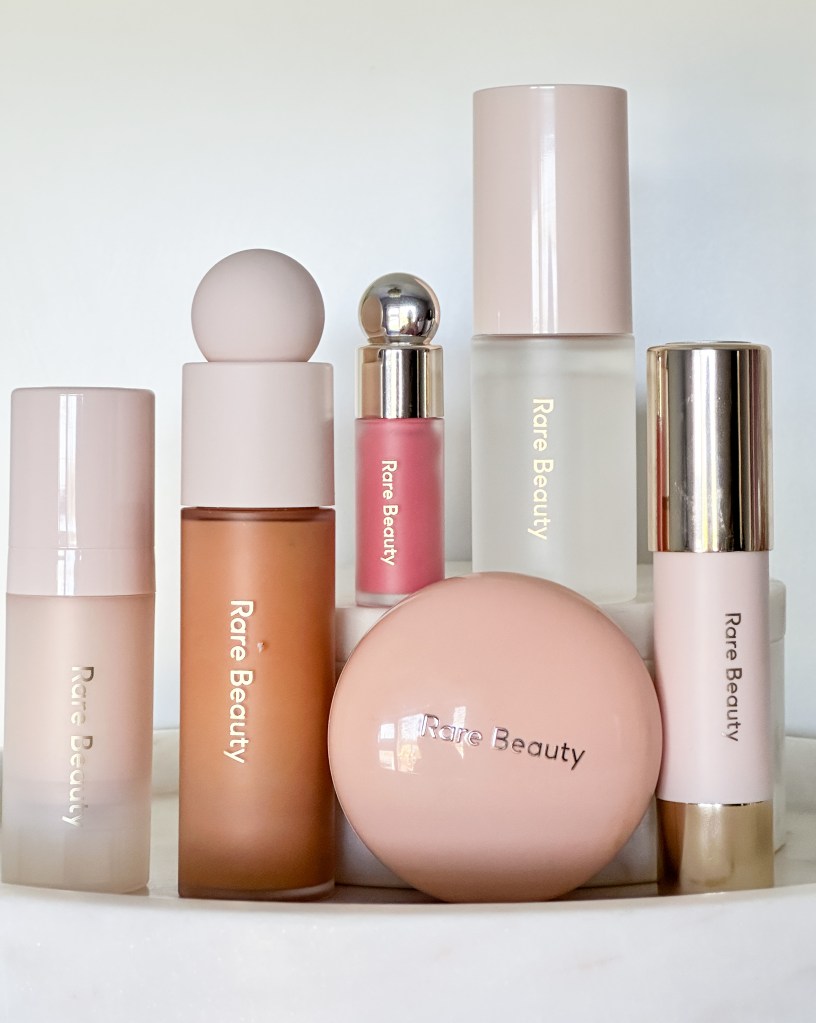
The beauty industry is extremely competitive, so brands have to find a way to stand out. One brand that has done this well is Rare Beauty. When Rare Beauty launched, it entered a market already filled with major companies like Fenty Beauty and MAC Cosmetics. Instead of focusing on heavy glam looks like many traditional beauty brands, Rare Beauty built its identity around natural beauty and self acceptance.
To understand the brand’s positioning, it helps to look at points of parity and points of differentiation. Rare Beauty’s points of parity are the basic things that make it part of the makeup industry. The brand sells products like foundation, blush, lip products, and highlighter, which are the same core products offered by most cosmetics brands. These products allow the brand to compete in the same category as other makeup companies.
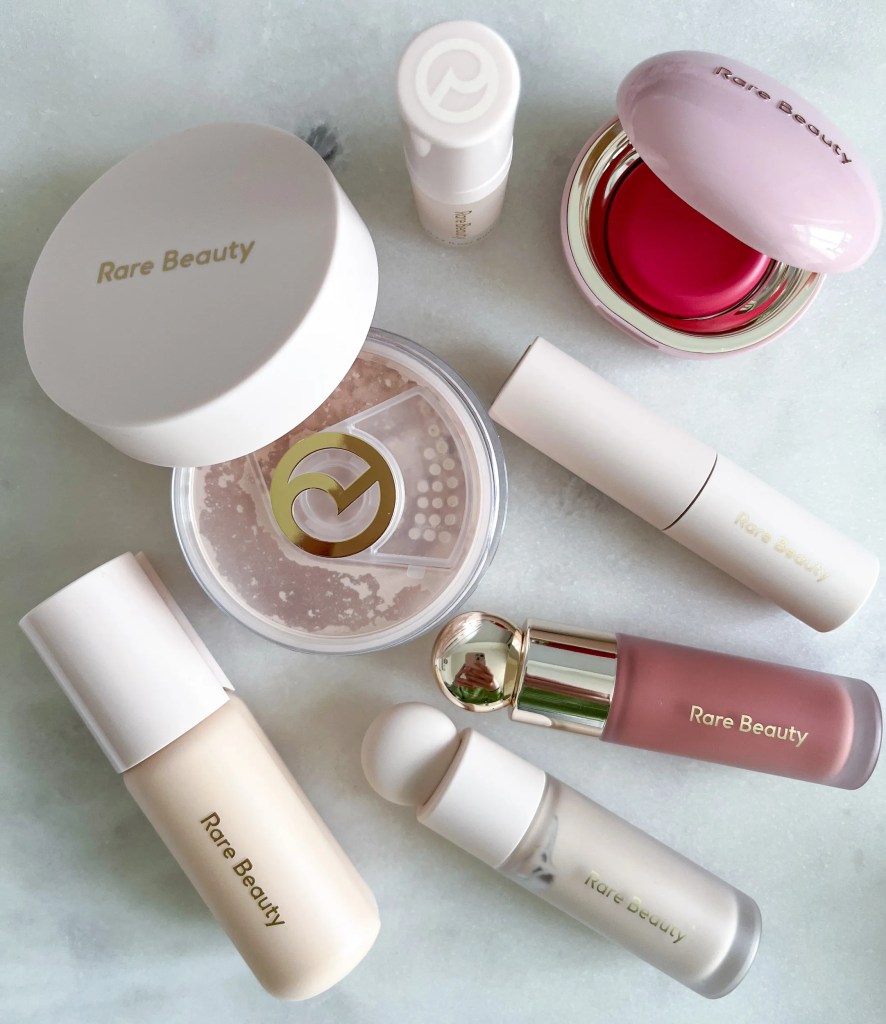
Where Rare Beauty stands out is through its points of differentiation. The brand focuses heavily on authenticity and mental health awareness. Its messaging encourages people to embrace their natural features instead of trying to achieve a perfect or unrealistic look. This message is reflected in its marketing and product design, which often promotes softer and more natural makeup looks. Another important part of Rare Beauty’s positioning is its connection to Selena Gomez. While many celebrity brands rely mostly on the fame of the person behind them, Rare Beauty connects its identity to Gomez’s advocacy for mental health and self confidence. The brand also supports this message through the Rare Impact Fund, which helps increase access to mental health resources.
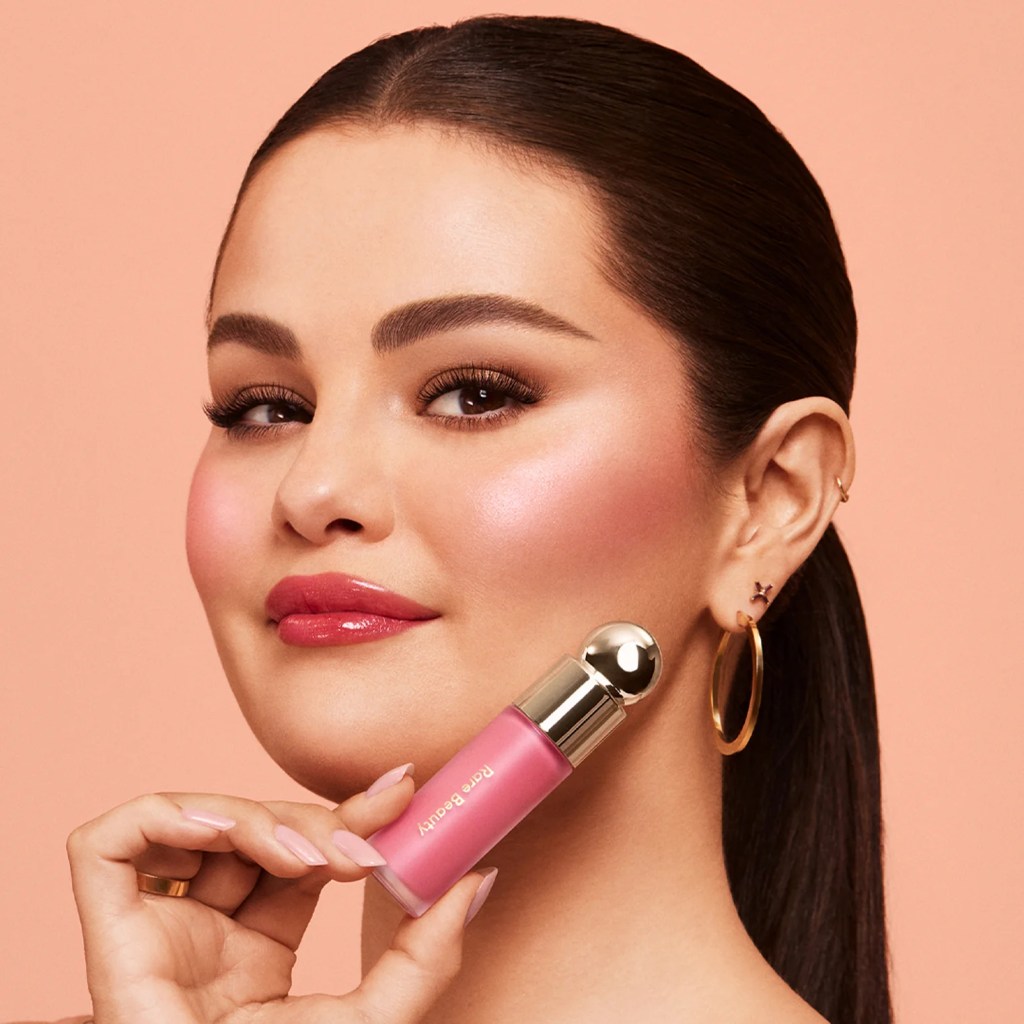
Rare Beauty is a good example of how differentiation can shape a brand’s success. Even though many beauty brands sell similar products, the way a brand communicates its identity can change how consumers view it. By focusing on authenticity, mental health, and natural beauty, Rare Beauty created a clear identity that helps it stand out in the beauty industry.
 Blog with Kaitlyn
Leave a comment